Start with Part 1.
Bellows are a mystery to me. Even now. There are plenty of tutorials showing you how to draw lines on paper and then fold them up, but my brain doesn’t find it easy to visualise it. Easily solved, I’ll just make a model.
Start with Part 1.
Bellows are a mystery to me. Even now. There are plenty of tutorials showing you how to draw lines on paper and then fold them up, but my brain doesn’t find it easy to visualise it. Easily solved, I’ll just make a model.
Start with Part 1.
I just wanted another portable harmonium. Whether that meant buying or building one.
I saw one on eBay, listed as a fixer-upper that doesn’t play. I had to get it. In the best case I would have a harmonium. In the worst case I would have learned something.
The seller was quite open about it not working. I took the gamble, and met him in a car park off the M4. It looked exactly like its photo.
I should be clear that I already have a harmonium. It has three octaves, two ranks (voices) and knee-pedals to operate the swells. It’s small, and folds up smaller. If you saw me carrying it you might mistakenly think I was struggling with a very heavy suitcase.
This was a micro-slot talk at Oxford Geek Nights #51.
As my son found his feet and began to walk, he found his hands at perfect height to reach the piano. Music is very important to us, and I could not have been more delighted to see him walk over to the piano and press the keys with the tips of his fingers.
Today marks the release of the Digital Folk report, a study into the way that folk music is being played and shared in the digital age. The report opens with a timeline of some of the tools available and their history. It reminded me that Folk Tune Finder is ten years old this year - the folktunefinder.com domain was registered at half past nine in the morning on the 27th of January 2008. This seems like a good time to look back at the last decade and think about the future.
Skint is a weekend of music and dancing, with workshops, bals and sessions all run by volunteers. I’m on the committee.
This year’s Skint was a joy. I am immensely grateful to everyone who came and made it what it was, which, as I’ve said, a joy.
These are not the best photos in the world, but they are mine.
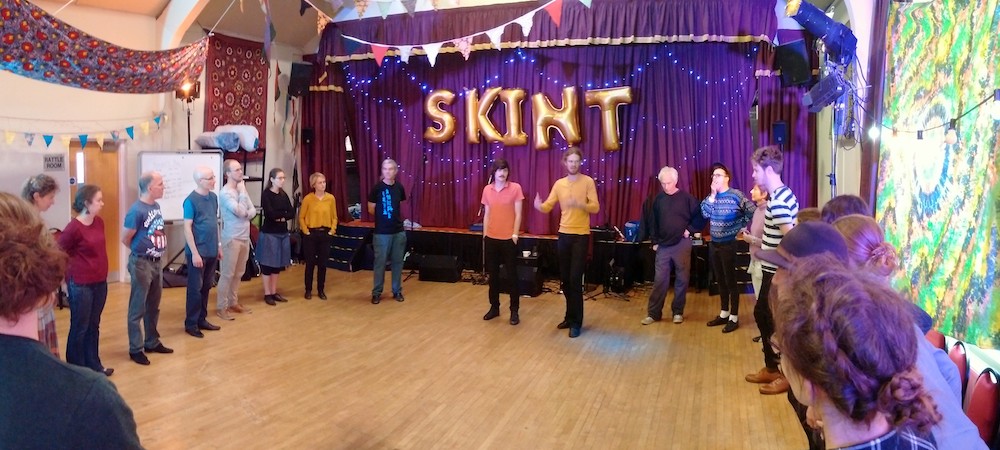
Bundpolska Workshop.
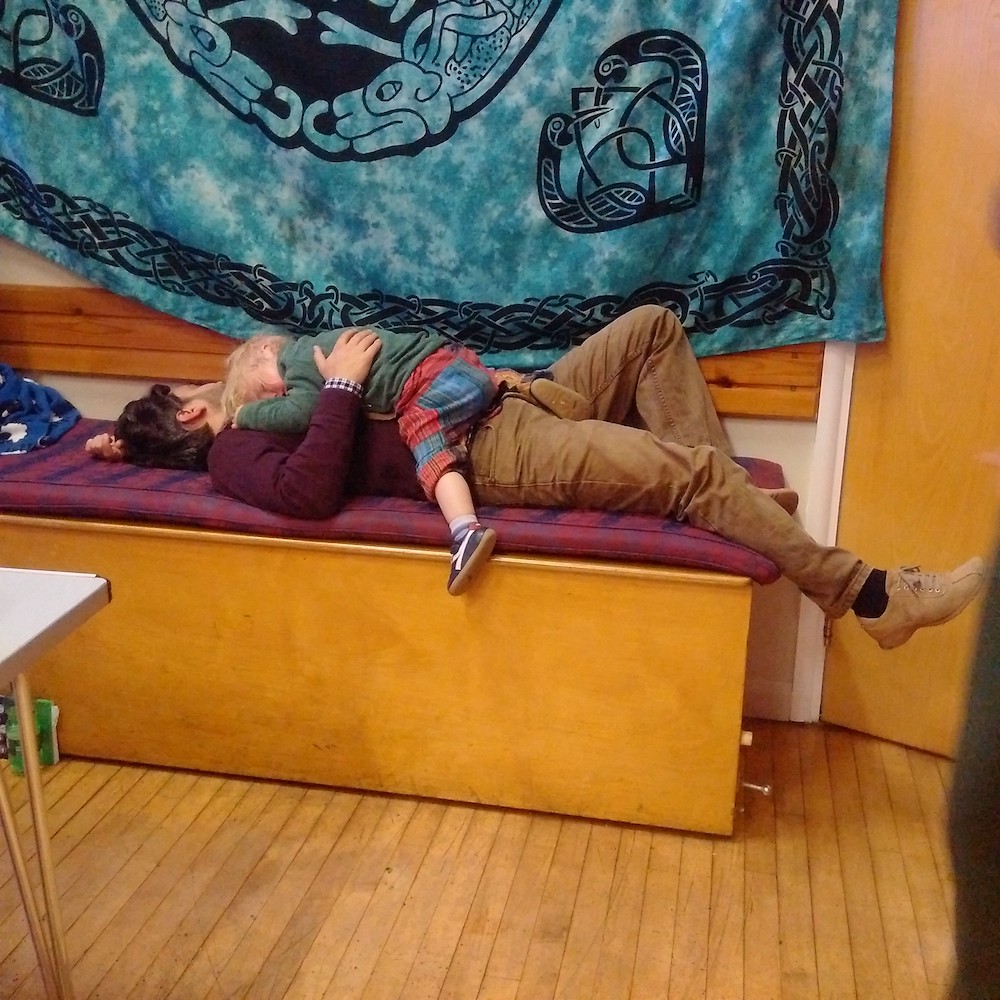
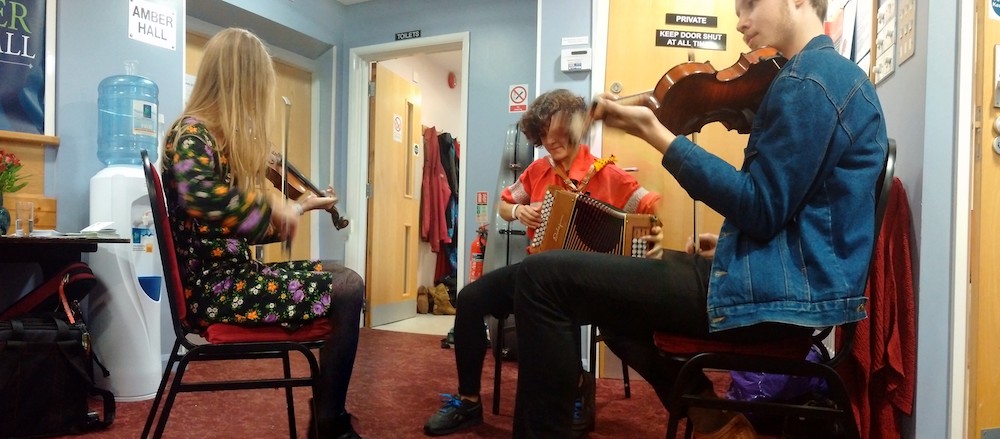
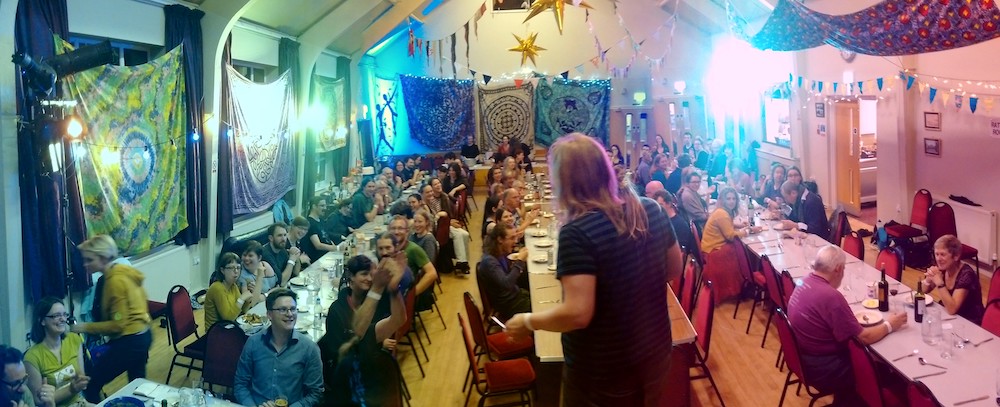
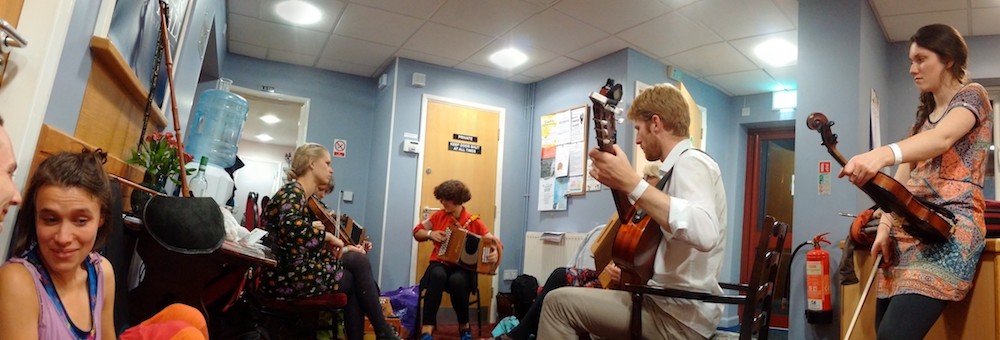
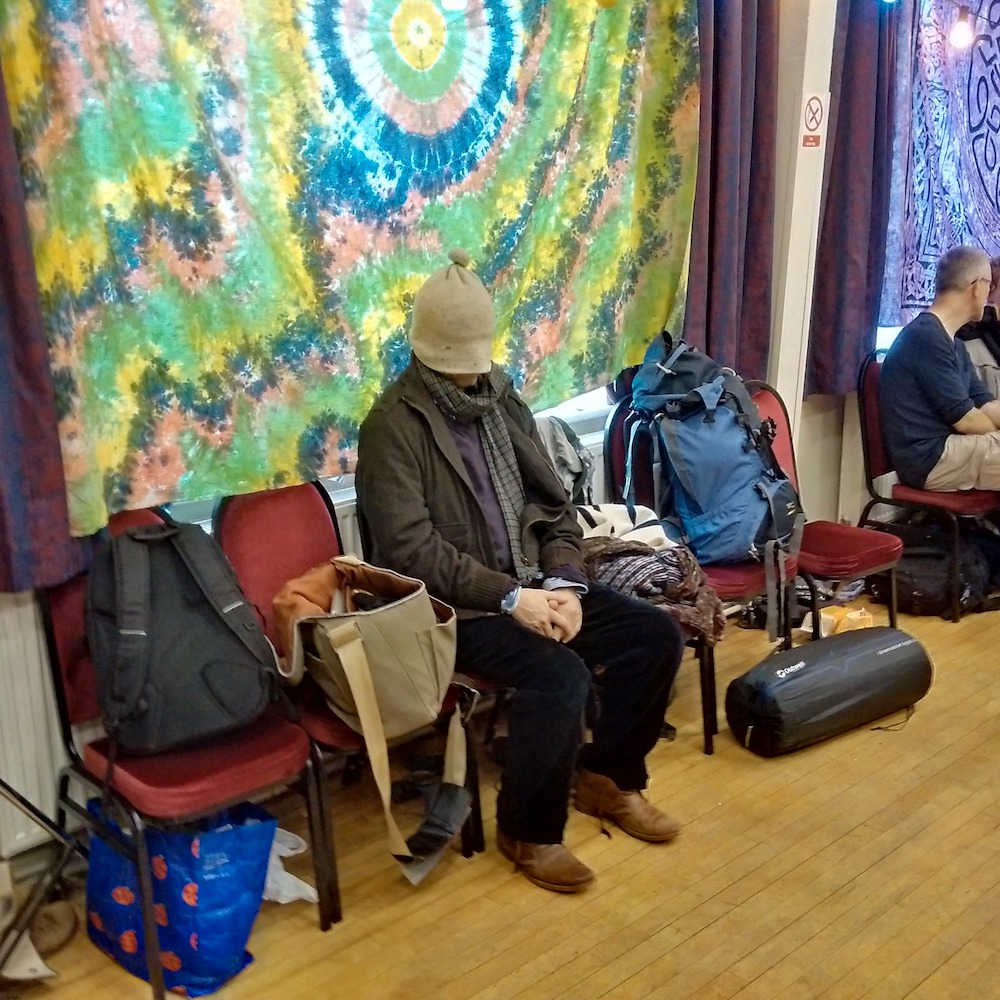
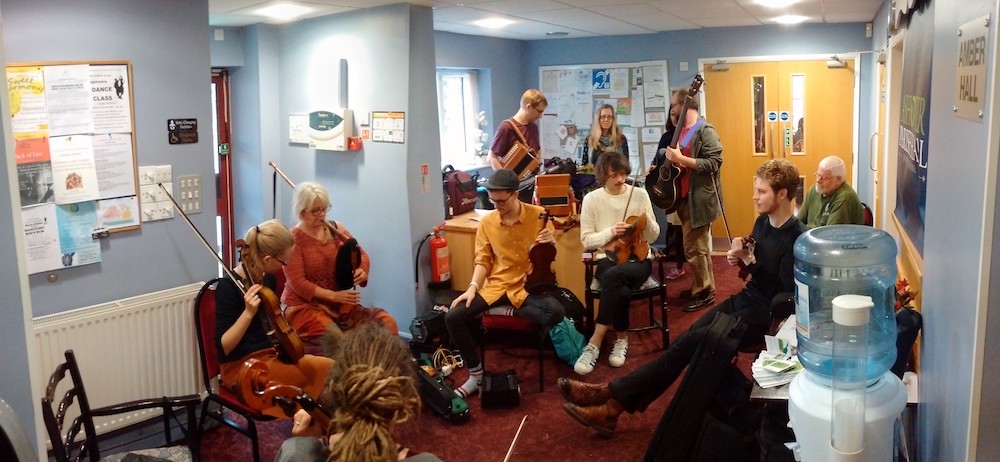
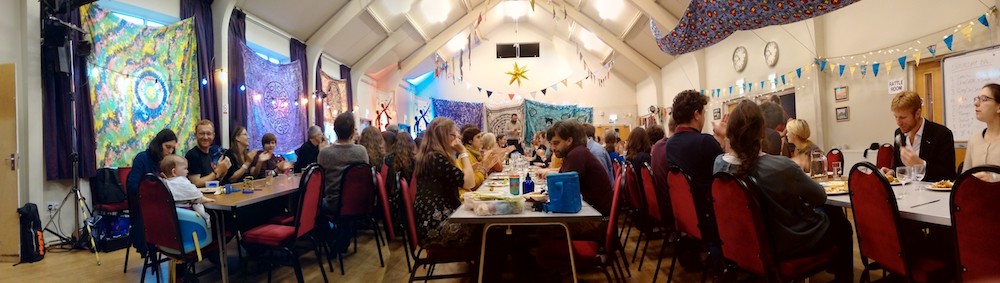
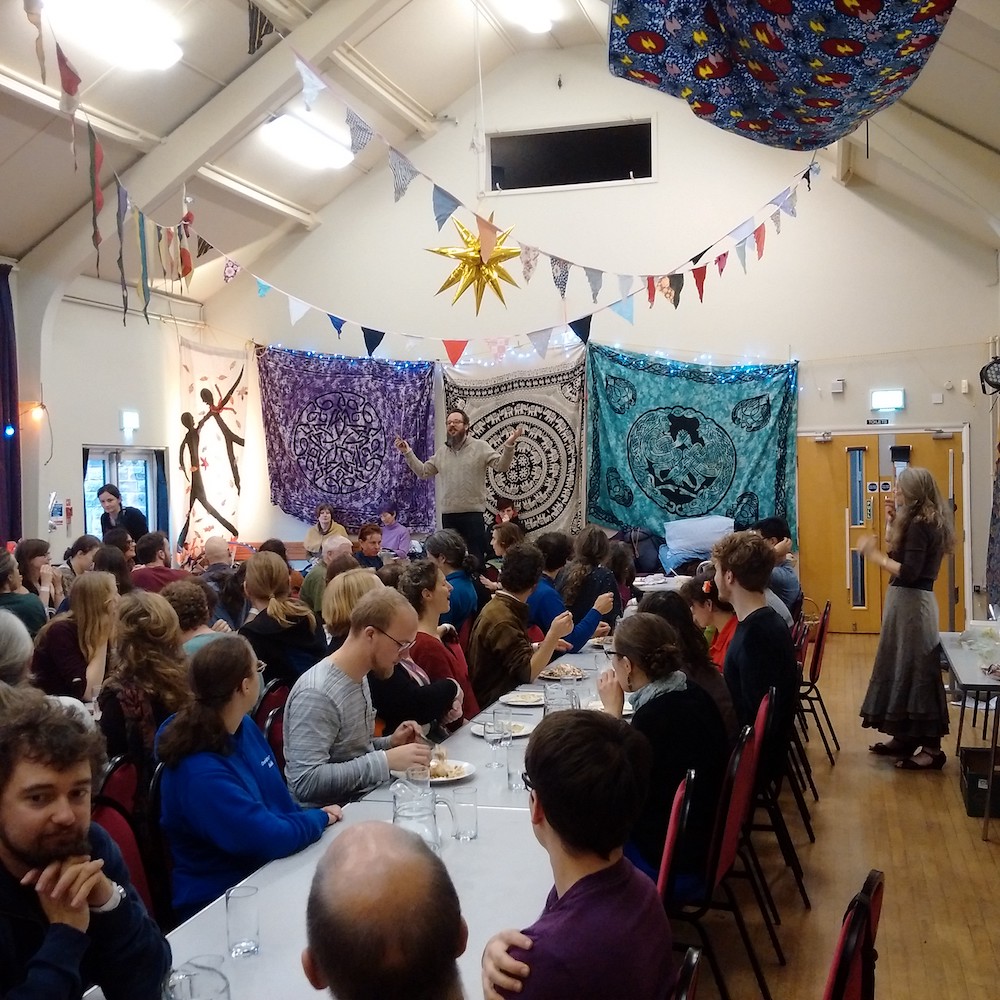
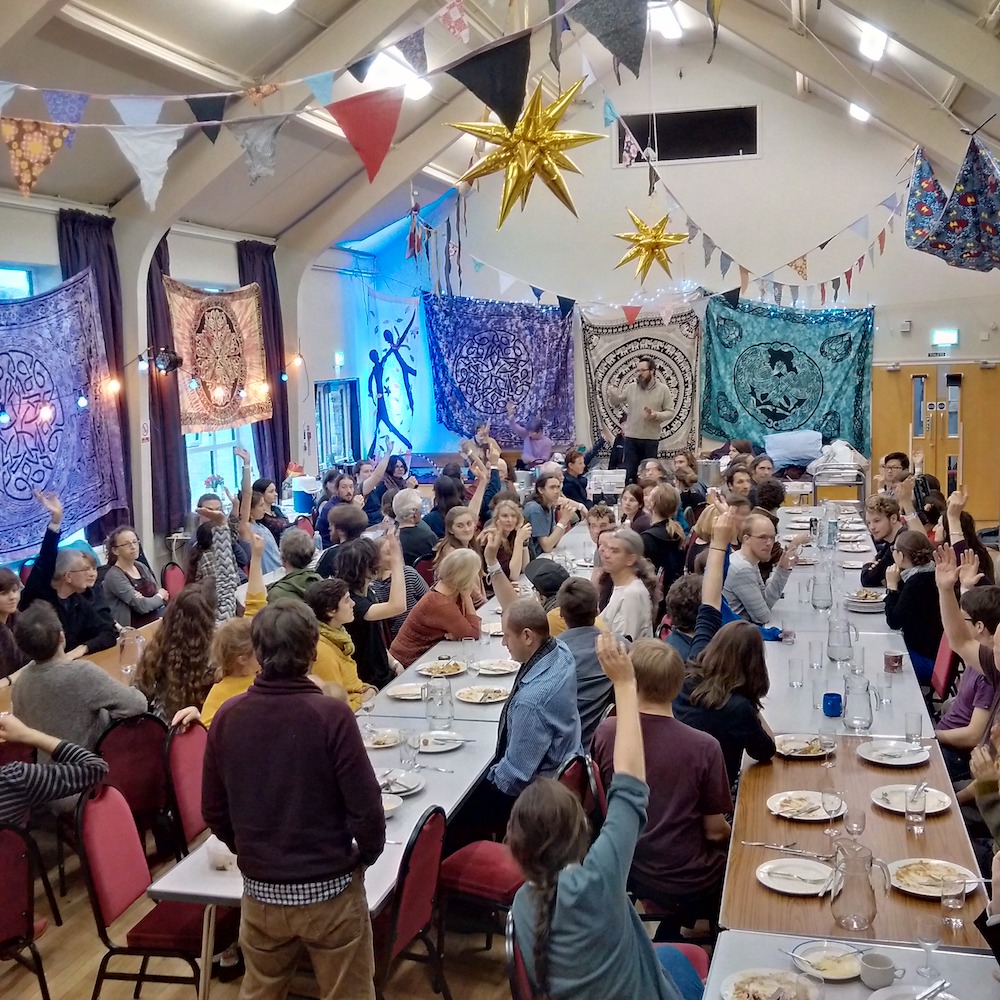
Hands up who’s here for the first time.
In an attempt to quickly find almost exact melodic duplicates (give or take a note or two) in the folktunefinder.com algorithm I tried comparing the Euclidean distance between their interval histograms.
An event to celebrate the second International Bagpipe Day! Held at the Pitt Rivers museum, Oxford.
OxLork, a band of musicians in possession of computers (and, I hope, an increasing knowledge of how to make new things with them) had a gig at the Ashmolean Museum on Friday. Very exciting.
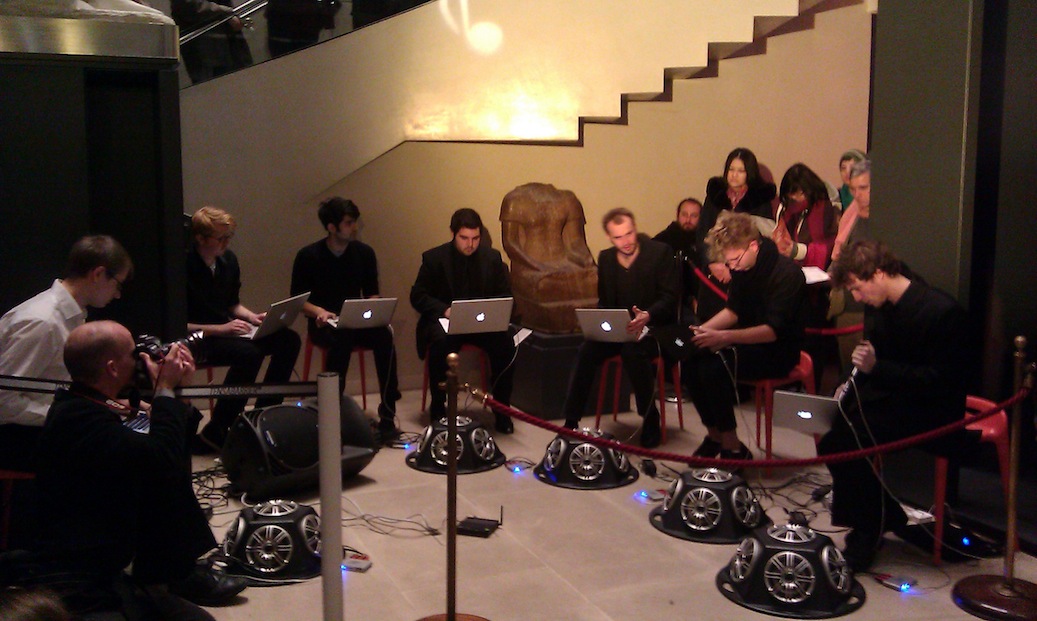
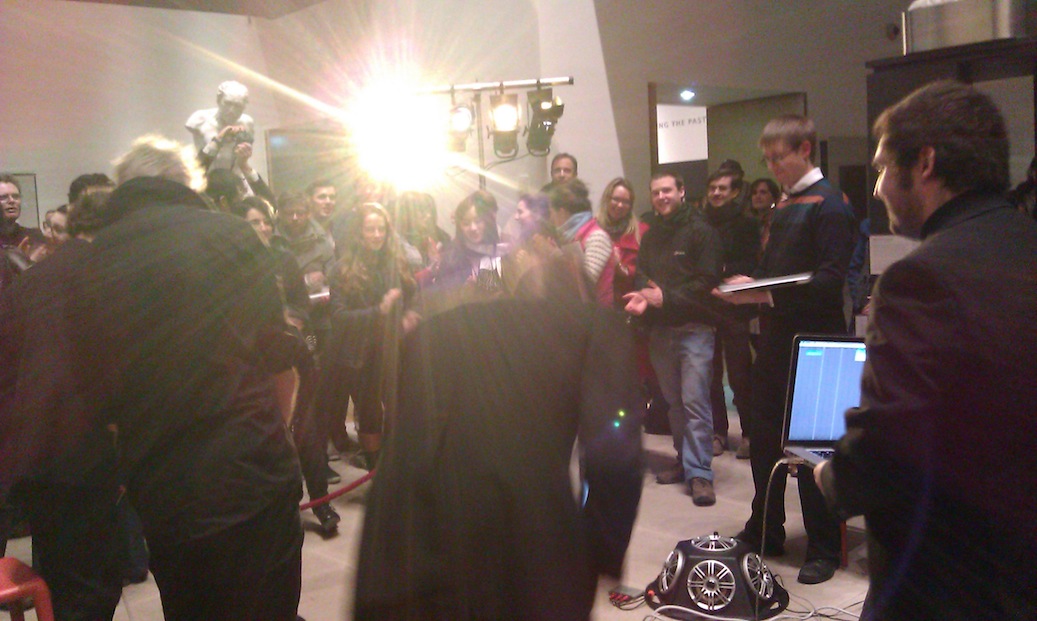
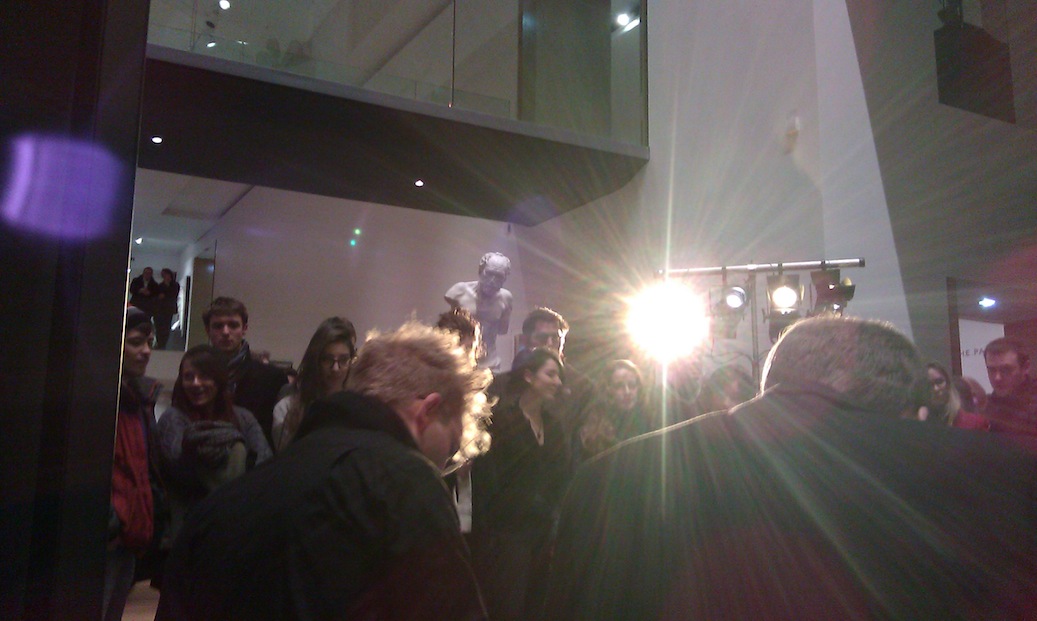
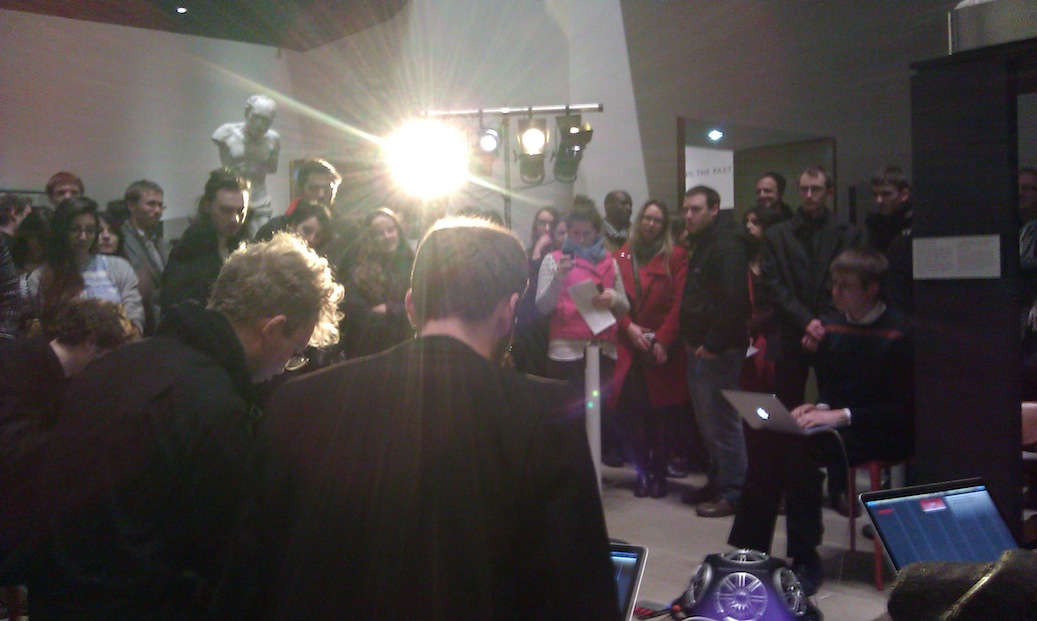
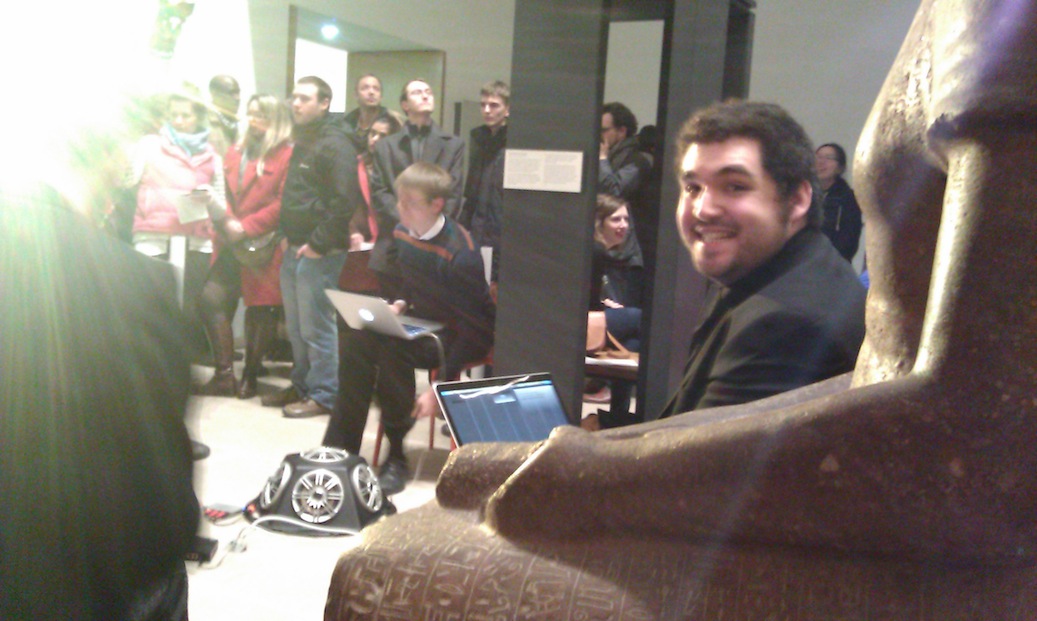
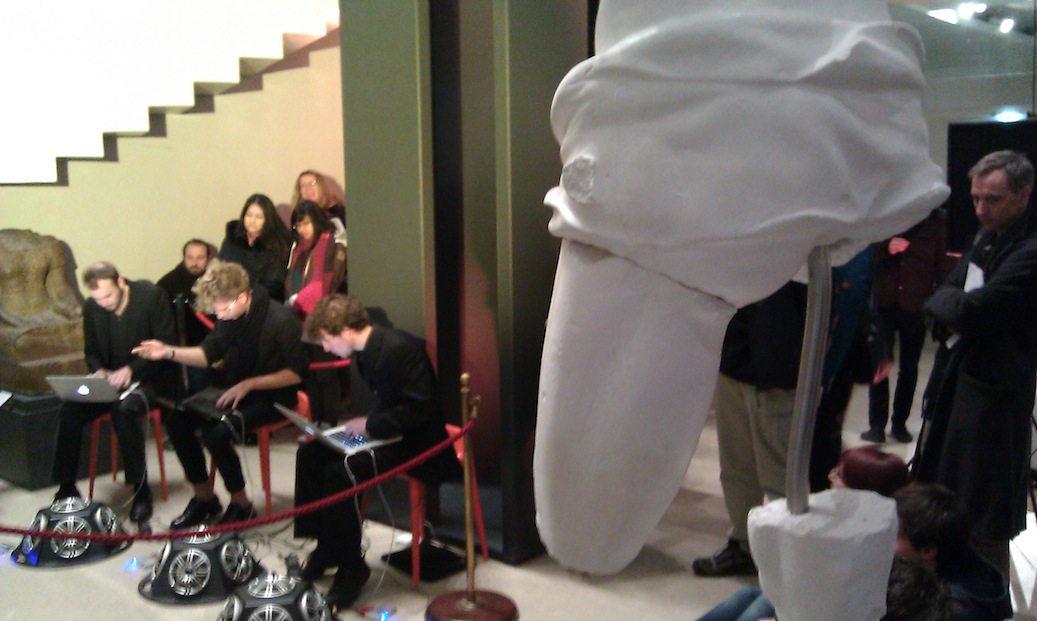
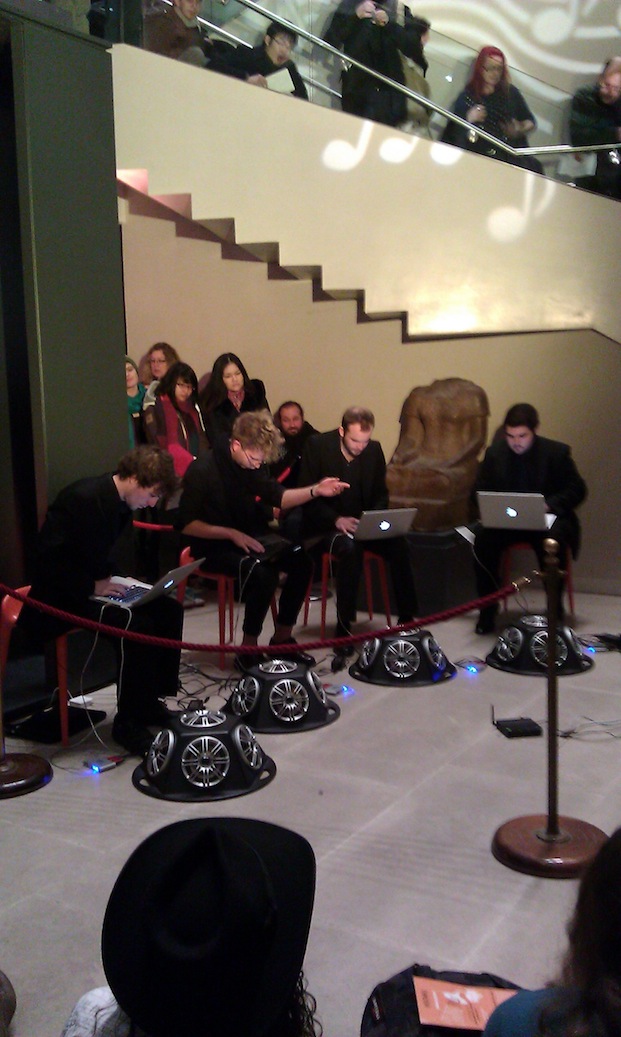
Not brilliant photos, but better than nothing.
Traditional tunes have a particular shape to them. Many, especially northern European, have two parts, each repeated, possibly with first and second time bars. Within this arching structure that spans the tune in a few leaps, there are smaller repeated phrases, callbacks and variations. I remembered a visualisation I saw a long time ago which took a MIDI file and visualised the structure. I wanted to do something for the tunes in FolkTuneFinder.