Last night I dealt with the heat the only way I know how.
A quick talk, the same content as given at Oxford Geek Nights in November 2012.
An event to celebrate the second International Bagpipe Day! Held at the Pitt Rivers museum, Oxford.
I was scratching my head for a bit over this one. Using Play Framework v 2.1.0 (Scala) in development mode I was defining my global object as per the Scala Global documentation. But it wasn’t triggering (and, I thought, wasn’t being registered).
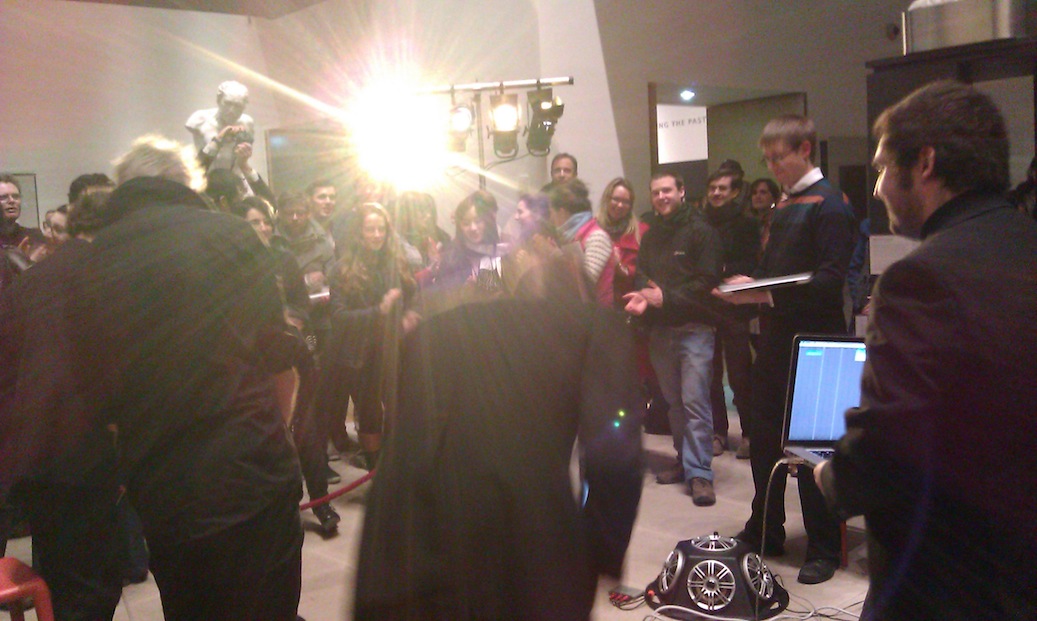
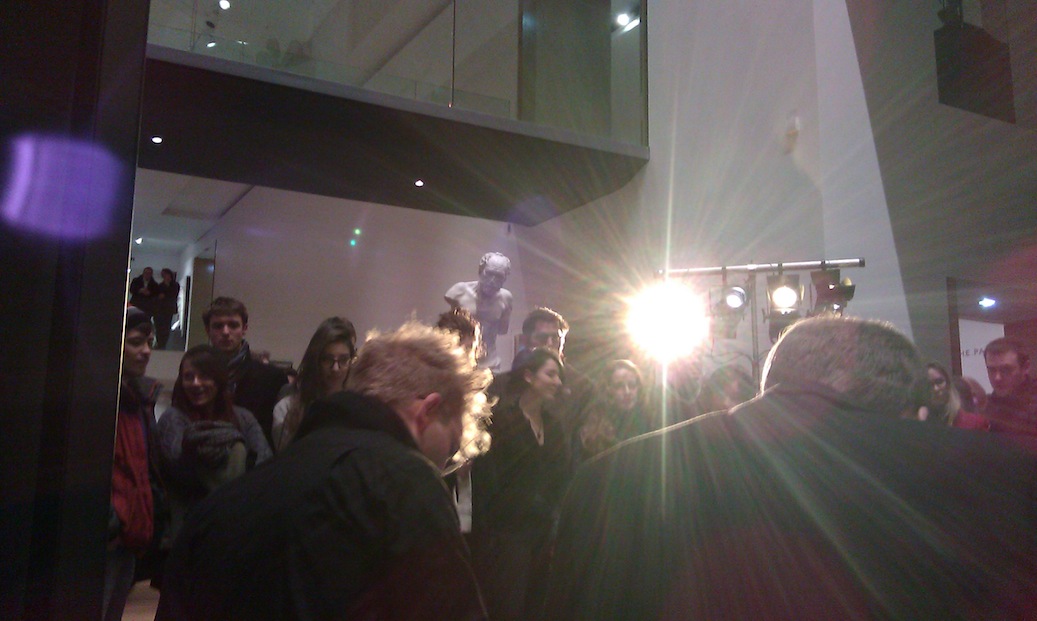
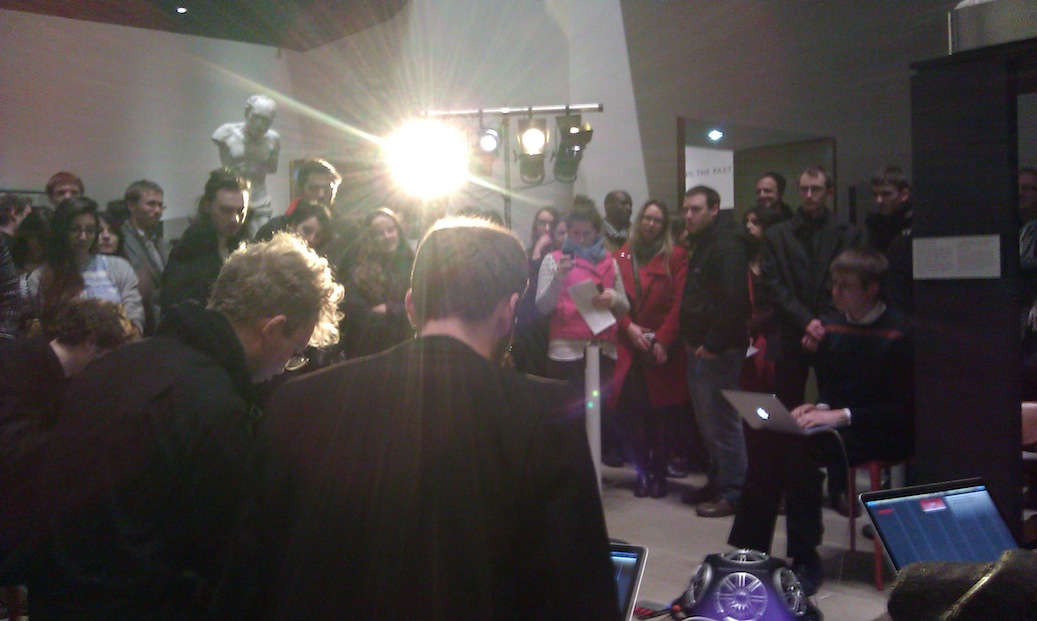
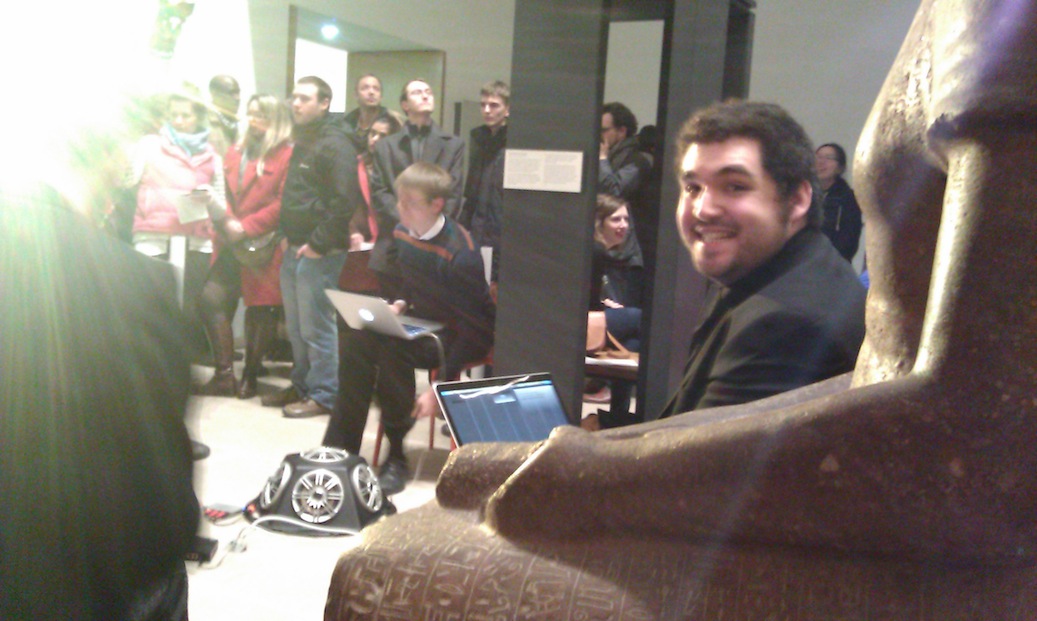
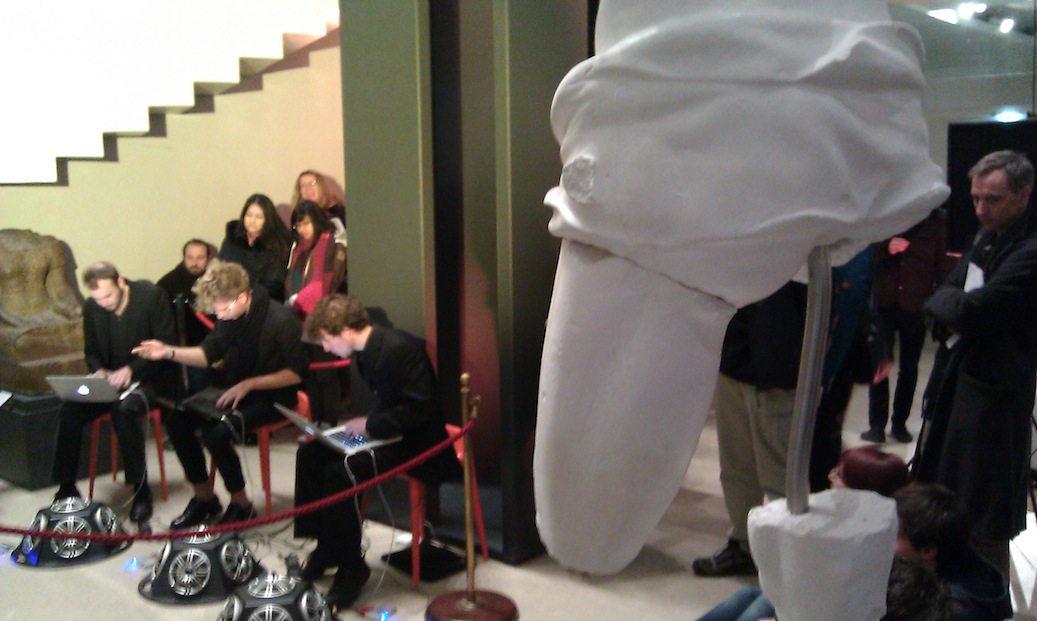
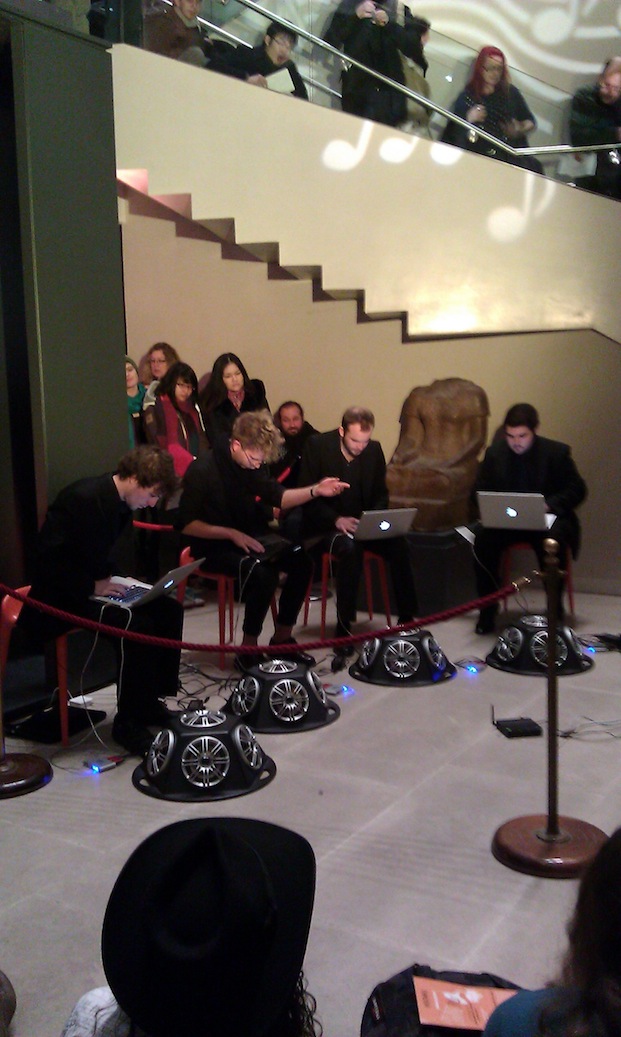
OxLork, a band of musicians in possession of computers (and, I hope, an increasing knowledge of how to make new things with them) had a gig at the Ashmolean Museum on Friday. Very exciting.
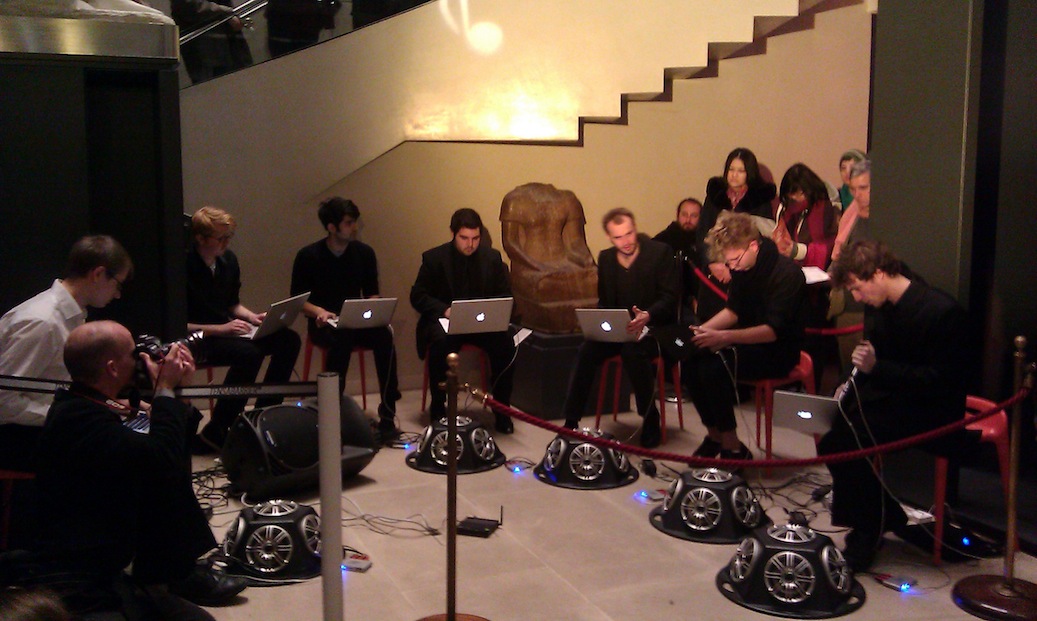
Not brilliant photos, but better than nothing.
Traditional tunes have a particular shape to them. Many, especially northern European, have two parts, each repeated, possibly with first and second time bars. Within this arching structure that spans the tune in a few leaps, there are smaller repeated phrases, callbacks and variations. I remembered a visualisation I saw a long time ago which took a MIDI file and visualised the structure. I wanted to do something for the tunes in FolkTuneFinder.
I am hosting all of the OxLork ChucK lecture code samples here: https://github.com/afandian/oxlork-lecture-code
It seems like everyone’s got their own idea about how to implement a fairly standard commonplace widget. All broadly consistent. With one exception.
(punchline: give up it won’t work but it’s an interesting story)